Buy privatschule.eu ?
We are moving the project
privatschule.eu .
Are you interested in purchasing the domain
privatschule.eu ?
domain@kv-gmbh.de · 0541-91531010
Buy privatschule.eu ?
What is the probability for school?
The probability for school can vary depending on the specific context or situation. In general, the probability of attending school on a typical school day is high, as most students are expected to attend regularly. However, factors such as holidays, weekends, or unexpected events like school closures due to inclement weather can affect the probability of attending school on a given day. Overall, the probability for school is usually high, but it can be influenced by various factors. **
What is the probability of school?
The probability of school occurring depends on various factors such as the academic calendar, weather conditions, and any unforeseen circumstances like a school closure due to emergencies. Typically, the probability of school is high on regular school days, but it can decrease if there are scheduled holidays or unexpected events that lead to school closures. Ultimately, the probability of school can vary and is influenced by multiple factors. **


Similar search terms for Probability
Top-Angebote
Products related to Probability:
-
SSO Back to School Back to School: Kindergarten Learning Value PackThis set includes:Scholastic Early Learners: Get Ready for Kindergarten Jumbo WorkbookScholastic Early Learners: Kindergarten Jumbo WorkbookSmart Practice Workbook: Kindergarten Back to School: Kindergarten Learning Value Pack34,82 $*Shipping: 0,00 $Secure redirect to the provider
-
Tiny Tots Teens Trends Drawer Game Early Education Montessori Wooden Pitch Ball Box Preschool Learning Training Toy Drawer Game Early Education Montessori Wooden Pitch Ball Box Preschool Learning Training ToyThis Montessori Wooden Pitch Ball Box Drawer Game is a thoughtfully designed earlyeducation toy that transforms playtime into purposeful learning. Crafted for toddlers and preschoolers, it offers a handson, engaging way to support key developmental...39,97 $*Shipping: 0,00 $Secure redirect to the provider
-
SSO Back to School Back to School: Pre-K Learning Value PackThis set includes:Scholastic Early Learners: Get Ready for Pre-K Jumbo WorkbookScholastic Early Learners: Giant Phonics WorkbookScholastic Early Learners: Pre-K Jumbo Workbook Back to School: Pre-K Learning Value Pack30,57 $*Shipping: 0,00 $Secure redirect to the provider
-
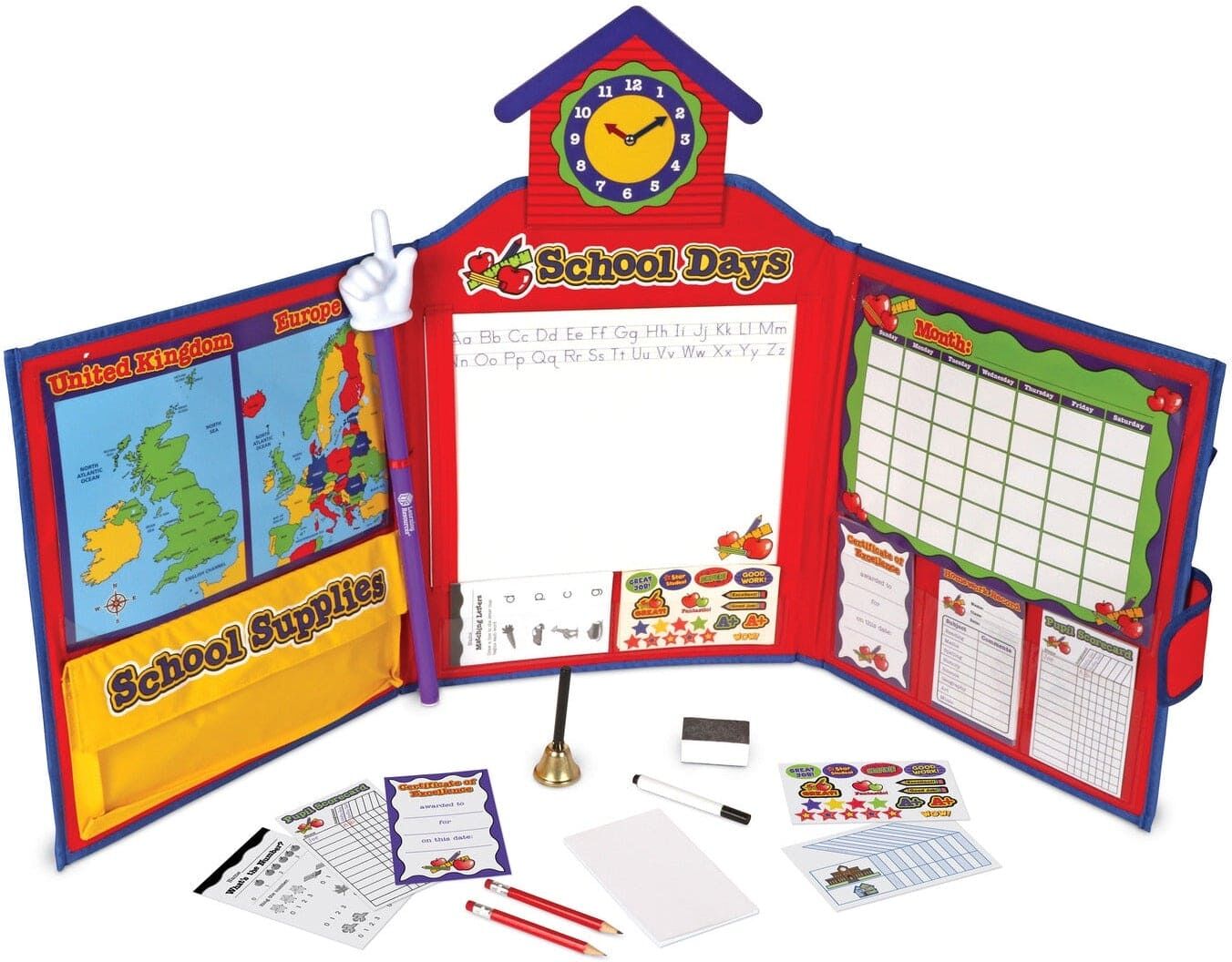
Learning Resources Pretend ; Play School Set UK Version - Pretend School Set for KidsTransform playtime into an educational adventure with the Learning Resources Pretend ; Play School Set UK Version. Includes realistic school supplies like a mini chalkboard and pretend lunch box for imaginative role-play. Designed for young learners to inspire collaboration and communication. Made from high-quality, child-safe materials for safe and endless fun.38,99 £*Shipping: 3,95 £Secure redirect to the provider



-
What distinguishes conditional probability from independent probability?
Conditional probability is the probability of an event occurring given that another event has already occurred. It takes into account the information about the occurrence of one event when calculating the probability of another event. Independent probability, on the other hand, is the probability of one event occurring without any influence from the occurrence of another event. In other words, conditional probability is influenced by the occurrence of a specific event, while independent probability is not influenced by any other event. **
-
"Probability or Analysis in upper secondary school?"
Both probability and analysis are important topics in upper secondary school mathematics. Probability helps students understand uncertainty and make informed decisions based on data and chance. Analysis, on the other hand, provides students with the tools to study functions, limits, and derivatives, which are essential for understanding calculus and other advanced mathematical concepts. Both topics are valuable and should be included in the upper secondary school curriculum to provide students with a well-rounded mathematical education. **
-
What is a probability space in probability theory?
A probability space in probability theory consists of three components: a sample space, an event space, and a probability measure. The sample space is the set of all possible outcomes of an experiment, the event space is a collection of subsets of the sample space representing different events, and the probability measure assigns a probability to each event in the event space. Together, these components define the mathematical framework for analyzing the likelihood of different outcomes in a probabilistic setting. **
-
What are the rules of probability in probability theory?
In probability theory, the rules of probability govern how probabilities are calculated and combined. The rules include the addition rule, which states that the probability of either of two mutually exclusive events occurring is the sum of their individual probabilities. The multiplication rule is used to calculate the probability of two independent events both occurring. Additionally, the complement rule states that the probability of an event not occurring is 1 minus the probability of the event occurring. These rules are fundamental in determining the likelihood of different outcomes in various situations. **


What is the probability in percent in probability theory?
In probability theory, the probability of an event is a measure of the likelihood that the event will occur. It is usually expressed as a number between 0 and 1, or as a percentage between 0% and 100%. A probability of 0% means the event is impossible, while a probability of 100% means the event is certain to occur. The probability of an event can be calculated using various methods, such as counting outcomes, using probability distributions, or applying statistical techniques. **
How do you correctly calculate probability in probability theory?
In probability theory, the probability of an event occurring is calculated by dividing the number of favorable outcomes by the total number of possible outcomes. This can be represented as P(A) = (Number of favorable outcomes) / (Total number of possible outcomes). It is important to ensure that all possible outcomes are accounted for and that the favorable outcomes are correctly identified. Additionally, the probability of multiple events occurring can be calculated using the multiplication rule for independent events or the addition rule for mutually exclusive events. **
Top-Angebote
Products related to Probability:
-
Market Central Felt Finger Numbers Math Toy Toddler Counting Early Education Learning Game Felt Finger Numbers Math Toy Toddler Counting Early Education Learning GameThis toddler Montessori felt math toy provides an interactive way for young children to learn basic numbers and early counting skills. Designed to build foundational math skills through handson play, it helps develop early childhood intelligence and...34,97 $*Shipping: 0,00 $Secure redirect to the provider
-
Perfect Picks Market Montessori Reusable Learning Cards Set For Kids Early Education Writing Practice Game Montessori Reusable Learning Cards Set For Kids Early Education Writing Practice GameTurn everyday learning into a fun, handson experience with these Montessori toys designed to spark curiosity and creativity. This engaging set of reusable cards helps young children build essential skills through play, making it perfect for early...39,97 $*Shipping: 0,00 $Secure redirect to the provider
-
SSO Back to School Back to School: Kindergarten Learning Value PackThis set includes:Scholastic Early Learners: Get Ready for Kindergarten Jumbo WorkbookScholastic Early Learners: Kindergarten Jumbo WorkbookSmart Practice Workbook: Kindergarten Back to School: Kindergarten Learning Value Pack34,82 $*Shipping: 0,00 $Secure redirect to the provider
-
Tiny Tots Teens Trends Drawer Game Early Education Montessori Wooden Pitch Ball Box Preschool Learning Training Toy Drawer Game Early Education Montessori Wooden Pitch Ball Box Preschool Learning Training ToyThis Montessori Wooden Pitch Ball Box Drawer Game is a thoughtfully designed earlyeducation toy that transforms playtime into purposeful learning. Crafted for toddlers and preschoolers, it offers a handson, engaging way to support key developmental...39,97 $*Shipping: 0,00 $Secure redirect to the provider
-
What is the probability for school?
The probability for school can vary depending on the specific context or situation. In general, the probability of attending school on a typical school day is high, as most students are expected to attend regularly. However, factors such as holidays, weekends, or unexpected events like school closures due to inclement weather can affect the probability of attending school on a given day. Overall, the probability for school is usually high, but it can be influenced by various factors. **
-
What is the probability of school?
The probability of school occurring depends on various factors such as the academic calendar, weather conditions, and any unforeseen circumstances like a school closure due to emergencies. Typically, the probability of school is high on regular school days, but it can decrease if there are scheduled holidays or unexpected events that lead to school closures. Ultimately, the probability of school can vary and is influenced by multiple factors. **
-
What distinguishes conditional probability from independent probability?
Conditional probability is the probability of an event occurring given that another event has already occurred. It takes into account the information about the occurrence of one event when calculating the probability of another event. Independent probability, on the other hand, is the probability of one event occurring without any influence from the occurrence of another event. In other words, conditional probability is influenced by the occurrence of a specific event, while independent probability is not influenced by any other event. **
-
"Probability or Analysis in upper secondary school?"
Both probability and analysis are important topics in upper secondary school mathematics. Probability helps students understand uncertainty and make informed decisions based on data and chance. Analysis, on the other hand, provides students with the tools to study functions, limits, and derivatives, which are essential for understanding calculus and other advanced mathematical concepts. Both topics are valuable and should be included in the upper secondary school curriculum to provide students with a well-rounded mathematical education. **
Similar search terms for Probability
-
SSO Back to School Back to School: Pre-K Learning Value PackThis set includes:Scholastic Early Learners: Get Ready for Pre-K Jumbo WorkbookScholastic Early Learners: Giant Phonics WorkbookScholastic Early Learners: Pre-K Jumbo Workbook Back to School: Pre-K Learning Value Pack30,57 $*Shipping: 0,00 $Secure redirect to the provider
-
Learning Resources Pretend ; Play School Set UK Version - Pretend School Set for KidsTransform playtime into an educational adventure with the Learning Resources Pretend ; Play School Set UK Version. Includes realistic school supplies like a mini chalkboard and pretend lunch box for imaginative role-play. Designed for young learners to inspire collaboration and communication. Made from high-quality, child-safe materials for safe and endless fun.38,99 £*Shipping: 3,95 £Secure redirect to the provider
-
Perfect Picks Market Kids Emotional Expression Mirror Early Education & Emotional Learning Toy For Toddlers pinkNurture your childs emotional intelligence with the Kids Emotional Expression Mirrora fun, interactive learning tool designed to help toddlers understand and manage their feelings. This innovative toy features six emotional expression cards and a...49,97 $*Shipping: 0,00 $Secure redirect to the provider
-
Penguin James Patterson Private Series 4 Books Collection Set (Books 16-19) (Private Rogue, Private Beijing, Private Rome, Private Monaco)James Patterson Private Series 4 Books Collection Set (Books 16-19) (Private Rogue, Private Beijing, Private Rome, Private Monaco) Private Rogue In Afghanistan, a US Special Forces pilot is shot down during a covert mission. In New York, a mother is forced to flee with her two young children. A wealthy businessman approaches Jack Morgan, head of Private - the world's largest investigation agency - with a desperate plea to track down his daughter and grandchildren, who have disappeared without a trace. Private Beijing Private Beijing is ripped apart after an attack leaves three agents dead and the head of the team missing. With the Beijing branch in turmoil, Private's owner and global head, Jack Morgan, immediately gets on a plane from LA. Soon after Jack lands in China, another Private office is attacked. It's clear that the entire organisation is under threat. Private Rome A priest is murdered and a Private agent is the number one suspect. Jack Morgan is in Rome celebrating the opening of a new local Private office, when the party takes a deadly turn. Private agent Matteo Ricci is found at the party standing over the body of a dead priest with a gun in hand, swearing he did not kill the man. Private Monaco When Jack Morgan is invited to the luxurious Monaco coast to set up a new Private office, it seems like the perfect opportunity to relax in an iconic destination. But the vacation is quickly cut short when Jack's partner Justine is abducted. The kidnappers send Jack clear instructions - and a gun. If he wants to see the woman he loves again, he must take a life in exchange for hers. Jack soon becomes entangled in a dangerous conspiracy that will come to a head at the Monaco Grand Prix.14,99 £*Shipping: 2,99 £Secure redirect to the provider
-
What is a probability space in probability theory?
A probability space in probability theory consists of three components: a sample space, an event space, and a probability measure. The sample space is the set of all possible outcomes of an experiment, the event space is a collection of subsets of the sample space representing different events, and the probability measure assigns a probability to each event in the event space. Together, these components define the mathematical framework for analyzing the likelihood of different outcomes in a probabilistic setting. **
-
What are the rules of probability in probability theory?
In probability theory, the rules of probability govern how probabilities are calculated and combined. The rules include the addition rule, which states that the probability of either of two mutually exclusive events occurring is the sum of their individual probabilities. The multiplication rule is used to calculate the probability of two independent events both occurring. Additionally, the complement rule states that the probability of an event not occurring is 1 minus the probability of the event occurring. These rules are fundamental in determining the likelihood of different outcomes in various situations. **
-
What is the probability in percent in probability theory?
In probability theory, the probability of an event is a measure of the likelihood that the event will occur. It is usually expressed as a number between 0 and 1, or as a percentage between 0% and 100%. A probability of 0% means the event is impossible, while a probability of 100% means the event is certain to occur. The probability of an event can be calculated using various methods, such as counting outcomes, using probability distributions, or applying statistical techniques. **
-
How do you correctly calculate probability in probability theory?
In probability theory, the probability of an event occurring is calculated by dividing the number of favorable outcomes by the total number of possible outcomes. This can be represented as P(A) = (Number of favorable outcomes) / (Total number of possible outcomes). It is important to ensure that all possible outcomes are accounted for and that the favorable outcomes are correctly identified. Additionally, the probability of multiple events occurring can be calculated using the multiplication rule for independent events or the addition rule for mutually exclusive events. **
* All prices are inclusive of VAT and, if applicable, plus shipping costs. The offer information is based on the details provided by the respective shop and is updated through automated processes. Real-time updates do not occur, so deviations can occur in individual cases. ** Note: Parts of this content were created by AI.