Buy privatschule.eu ?
We are moving the project
privatschule.eu .
Are you interested in purchasing the domain
privatschule.eu ?
domain@kv-gmbh.de · 0541-91531010
Buy privatschule.eu ?
Romantic or Romanesque?
The terms "romantic" and "romanesque" refer to different artistic and architectural styles. "Romantic" typically refers to a style characterized by emotion, imagination, and a focus on nature, while "romanesque" refers to a style of architecture that was prevalent in medieval Europe, characterized by thick walls, rounded arches, and decorative elements. Therefore, the choice between "romantic" or "romanesque" would depend on the specific context or artistic preference being discussed. **
What is Romanesque 2?
Romanesque 2 is a style of architecture that developed in medieval Europe during the 11th and 12th centuries. It is characterized by its use of rounded arches, thick walls, and decorative elements such as sculpted capitals and intricate carvings. Romanesque 2 also features a strong emphasis on symmetry and a sense of grandeur, often seen in the design of churches, castles, and other religious and secular buildings. This architectural style is considered a continuation of the earlier Romanesque style, with some new innovations and regional variations. **


Similar search terms for Romanesque
Top-Angebote
Products related to Romanesque:
-
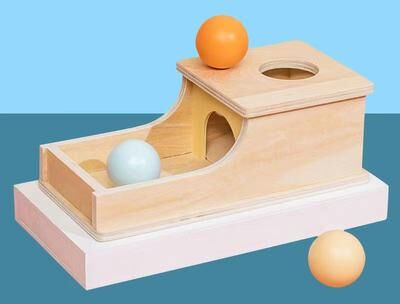
Tiny Tots Teens Trends Drawer Game Early Education Montessori Wooden Pitch Ball Box Preschool Learning Training Toy Drawer Game Early Education Montessori Wooden Pitch Ball Box Preschool Learning Training ToyThis Montessori Wooden Pitch Ball Box Drawer Game is a thoughtfully designed earlyeducation toy that transforms playtime into purposeful learning. Crafted for toddlers and preschoolers, it offers a handson, engaging way to support key developmental...39,97 $*Shipping: 0,00 $Secure redirect to the provider
-
SSO Back to School Back to School: Kindergarten Learning Value PackThis set includes:Scholastic Early Learners: Get Ready for Kindergarten Jumbo WorkbookScholastic Early Learners: Kindergarten Jumbo WorkbookSmart Practice Workbook: Kindergarten Back to School: Kindergarten Learning Value Pack34,82 $*Shipping: 0,00 $Secure redirect to the provider
-
SSO Back to School Back to School: Pre-K Learning Value PackThis set includes:Scholastic Early Learners: Get Ready for Pre-K Jumbo WorkbookScholastic Early Learners: Giant Phonics WorkbookScholastic Early Learners: Pre-K Jumbo Workbook Back to School: Pre-K Learning Value Pack30,57 $*Shipping: 0,00 $Secure redirect to the provider
-
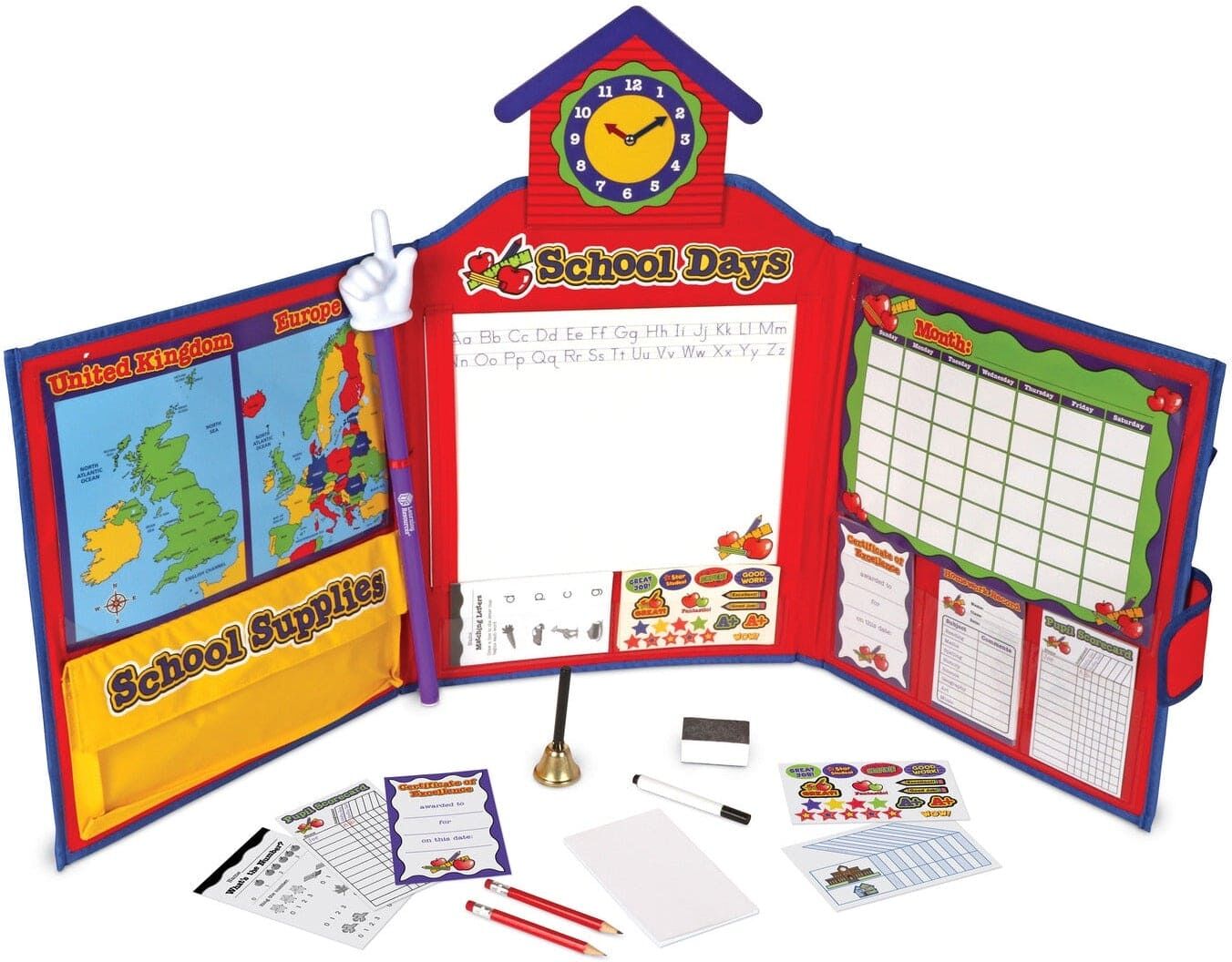
Learning Resources Pretend ; Play School Set UK Version - Pretend School Set for KidsTransform playtime into an educational adventure with the Learning Resources Pretend ; Play School Set UK Version. Includes realistic school supplies like a mini chalkboard and pretend lunch box for imaginative role-play. Designed for young learners to inspire collaboration and communication. Made from high-quality, child-safe materials for safe and endless fun.38,99 £*Shipping: 3,95 £Secure redirect to the provider


-
Who were the architects of Romanesque architecture?
The architects of Romanesque architecture were primarily anonymous master builders and craftsmen who worked on the construction of churches, monasteries, and other religious buildings during the Romanesque period (approximately 1000-1200 AD). These skilled artisans were often members of guilds or religious orders and were responsible for designing and constructing the thick-walled, fortress-like structures characteristic of Romanesque architecture. While specific names of architects are rarely known, their collective work has left a lasting legacy in the form of some of the most iconic buildings of the medieval period. **
-
Who are famous figures of the Romanesque period?
Some famous figures of the Romanesque period include Abbot Suger, who was a key figure in the development of Gothic architecture; Pope Urban II, who called for the First Crusade in 1095; and William the Conqueror, who commissioned the construction of many Romanesque buildings in England, such as the Tower of London. These figures played significant roles in shaping the political, religious, and architectural landscape of the Romanesque period. **
-
Who are famous people of the Romanesque period?
Some famous people of the Romanesque period include Pope Urban II, who called for the First Crusade in 1095, and William the Conqueror, who led the Norman Conquest of England in 1066. Additionally, Hildegarde of Bingen, a German abbess, composer, and mystic, was a prominent figure during this time. Architectural figures such as Abbot Suger, who oversaw the construction of the Abbey Church of St. Denis in France, also made significant contributions to the Romanesque period. **
-
What is the difference between Romanesque and Gothic?
Romanesque architecture is characterized by thick walls, rounded arches, and small windows, while Gothic architecture features pointed arches, ribbed vaults, and flying buttresses. Romanesque buildings tend to have a more fortress-like appearance, while Gothic buildings are taller and more delicate in appearance. Additionally, Romanesque churches often have a single, massive tower, while Gothic churches typically have multiple towers and spires. Overall, Romanesque architecture is more solid and heavy, while Gothic architecture is more light and airy. **

How can Gothic and Romanesque architecture be compared?
Gothic and Romanesque architecture can be compared in several ways. Both styles are characterized by their use of stone construction, thick walls, and large, imposing structures. However, Gothic architecture is known for its pointed arches, ribbed vaults, and flying buttresses, which allow for taller and more open interior spaces. On the other hand, Romanesque architecture is characterized by its rounded arches, barrel vaults, and heavy, fortress-like appearance. Additionally, Gothic architecture is often associated with a more vertical and ethereal aesthetic, while Romanesque architecture tends to have a more solid and grounded feel. **
What are the similarities between Romanesque and Gothic church buildings?
Both Romanesque and Gothic church buildings are characterized by their large size and grandeur, as well as their use of stone construction. They both feature a cruciform floor plan, with a long nave, transept, and apse. Additionally, both styles often include elaborate sculptural decoration, particularly on the doorways and capitals. Finally, both Romanesque and Gothic churches often include stained glass windows, although the style and technique of the glass differ between the two periods. **
Top-Angebote
Products related to Romanesque:
-
Market Central Felt Finger Numbers Math Toy Toddler Counting Early Education Learning Game Felt Finger Numbers Math Toy Toddler Counting Early Education Learning GameThis toddler Montessori felt math toy provides an interactive way for young children to learn basic numbers and early counting skills. Designed to build foundational math skills through handson play, it helps develop early childhood intelligence and...34,97 $*Shipping: 0,00 $Secure redirect to the provider
-
Perfect Picks Market Montessori Reusable Learning Cards Set For Kids Early Education Writing Practice Game Montessori Reusable Learning Cards Set For Kids Early Education Writing Practice GameTurn everyday learning into a fun, handson experience with these Montessori toys designed to spark curiosity and creativity. This engaging set of reusable cards helps young children build essential skills through play, making it perfect for early...39,97 $*Shipping: 0,00 $Secure redirect to the provider
-
Tiny Tots Teens Trends Drawer Game Early Education Montessori Wooden Pitch Ball Box Preschool Learning Training Toy Drawer Game Early Education Montessori Wooden Pitch Ball Box Preschool Learning Training ToyThis Montessori Wooden Pitch Ball Box Drawer Game is a thoughtfully designed earlyeducation toy that transforms playtime into purposeful learning. Crafted for toddlers and preschoolers, it offers a handson, engaging way to support key developmental...39,97 $*Shipping: 0,00 $Secure redirect to the provider
-
SSO Back to School Back to School: Kindergarten Learning Value PackThis set includes:Scholastic Early Learners: Get Ready for Kindergarten Jumbo WorkbookScholastic Early Learners: Kindergarten Jumbo WorkbookSmart Practice Workbook: Kindergarten Back to School: Kindergarten Learning Value Pack34,82 $*Shipping: 0,00 $Secure redirect to the provider
-
Romantic or Romanesque?
The terms "romantic" and "romanesque" refer to different artistic and architectural styles. "Romantic" typically refers to a style characterized by emotion, imagination, and a focus on nature, while "romanesque" refers to a style of architecture that was prevalent in medieval Europe, characterized by thick walls, rounded arches, and decorative elements. Therefore, the choice between "romantic" or "romanesque" would depend on the specific context or artistic preference being discussed. **
-
What is Romanesque 2?
Romanesque 2 is a style of architecture that developed in medieval Europe during the 11th and 12th centuries. It is characterized by its use of rounded arches, thick walls, and decorative elements such as sculpted capitals and intricate carvings. Romanesque 2 also features a strong emphasis on symmetry and a sense of grandeur, often seen in the design of churches, castles, and other religious and secular buildings. This architectural style is considered a continuation of the earlier Romanesque style, with some new innovations and regional variations. **
-
Who were the architects of Romanesque architecture?
The architects of Romanesque architecture were primarily anonymous master builders and craftsmen who worked on the construction of churches, monasteries, and other religious buildings during the Romanesque period (approximately 1000-1200 AD). These skilled artisans were often members of guilds or religious orders and were responsible for designing and constructing the thick-walled, fortress-like structures characteristic of Romanesque architecture. While specific names of architects are rarely known, their collective work has left a lasting legacy in the form of some of the most iconic buildings of the medieval period. **
-
Who are famous figures of the Romanesque period?
Some famous figures of the Romanesque period include Abbot Suger, who was a key figure in the development of Gothic architecture; Pope Urban II, who called for the First Crusade in 1095; and William the Conqueror, who commissioned the construction of many Romanesque buildings in England, such as the Tower of London. These figures played significant roles in shaping the political, religious, and architectural landscape of the Romanesque period. **
Similar search terms for Romanesque
-
SSO Back to School Back to School: Pre-K Learning Value PackThis set includes:Scholastic Early Learners: Get Ready for Pre-K Jumbo WorkbookScholastic Early Learners: Giant Phonics WorkbookScholastic Early Learners: Pre-K Jumbo Workbook Back to School: Pre-K Learning Value Pack30,57 $*Shipping: 0,00 $Secure redirect to the provider
-
Learning Resources Pretend ; Play School Set UK Version - Pretend School Set for KidsTransform playtime into an educational adventure with the Learning Resources Pretend ; Play School Set UK Version. Includes realistic school supplies like a mini chalkboard and pretend lunch box for imaginative role-play. Designed for young learners to inspire collaboration and communication. Made from high-quality, child-safe materials for safe and endless fun.38,99 £*Shipping: 3,95 £Secure redirect to the provider
-
Perfect Picks Market Kids Emotional Expression Mirror Early Education & Emotional Learning Toy For Toddlers blueNurture your childs emotional intelligence with the Kids Emotional Expression Mirrora fun, interactive learning tool designed to help toddlers understand and manage their feelings. This innovative toy features six emotional expression cards and a...49,97 $*Shipping: 0,00 $Secure redirect to the provider
-
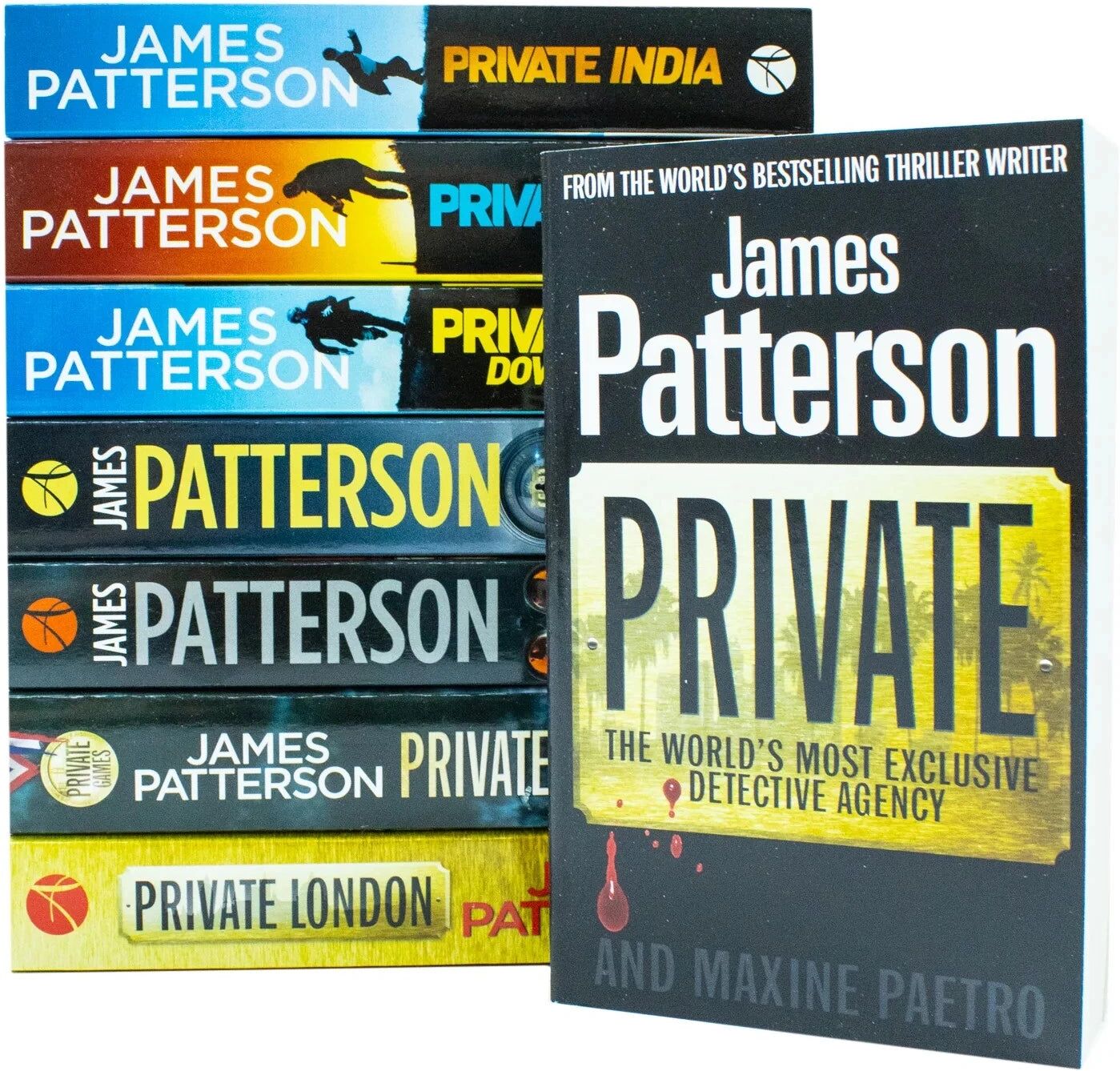
Arrow James Patterson Private Series 1-8 Books Collection Set (Private, Private London, Private Games, Private: No. 1 Suspect, Private Berlin and MORE)James Patterson Private Series 1-8 Books Collection Set Private Former US Marine Jack Morgan runs Private, a renowned investigation company with branches around the globe. It is where you go when you need maximum force and maximum discretion. Private London For Hannah Shapiro, a beautiful young American student, this particular nightmare began eight years ago in Los Angeles, when Jack Morgan, owner of Private. Private Games The Games have arrived in London and the stage is set for one of the greatest ever showcases of sporting excellence. Private: No. 1 Suspect Since former US Marine Jack Morgan started Private, it has become the world s most successful detective agency. But when his former lover is found murdered in Jack s bed, Jack is instantly the number one suspect. Private Berlin Mattie Engel is one of the rising stars at Private Berlin, and believes she's seen the worst of people in her previous life with the Berlin police force. Private Down Under P.I. Craig Gisto, head of the latest branch of Private, is enjoying the glamorous launch party with his new team when their celebrations are interrupted by the bloodied arrival of a boy with his eyes gouged out. Private L. A. Jack Morgan is having a bad week. His twin brother is up on a murder charge and determined to frame him for the crime, and one of Jack s clients has just called to report the burnt bodies of four surfers on his beach. Private India When Santosh Wagh isn t struggling out of a bottle of whisky he s head of Private India, the Mumbai branch of the world s finest PI agency.18,99 £*Shipping: 2,99 £Secure redirect to the provider
-
Who are famous people of the Romanesque period?
Some famous people of the Romanesque period include Pope Urban II, who called for the First Crusade in 1095, and William the Conqueror, who led the Norman Conquest of England in 1066. Additionally, Hildegarde of Bingen, a German abbess, composer, and mystic, was a prominent figure during this time. Architectural figures such as Abbot Suger, who oversaw the construction of the Abbey Church of St. Denis in France, also made significant contributions to the Romanesque period. **
-
What is the difference between Romanesque and Gothic?
Romanesque architecture is characterized by thick walls, rounded arches, and small windows, while Gothic architecture features pointed arches, ribbed vaults, and flying buttresses. Romanesque buildings tend to have a more fortress-like appearance, while Gothic buildings are taller and more delicate in appearance. Additionally, Romanesque churches often have a single, massive tower, while Gothic churches typically have multiple towers and spires. Overall, Romanesque architecture is more solid and heavy, while Gothic architecture is more light and airy. **
-
How can Gothic and Romanesque architecture be compared?
Gothic and Romanesque architecture can be compared in several ways. Both styles are characterized by their use of stone construction, thick walls, and large, imposing structures. However, Gothic architecture is known for its pointed arches, ribbed vaults, and flying buttresses, which allow for taller and more open interior spaces. On the other hand, Romanesque architecture is characterized by its rounded arches, barrel vaults, and heavy, fortress-like appearance. Additionally, Gothic architecture is often associated with a more vertical and ethereal aesthetic, while Romanesque architecture tends to have a more solid and grounded feel. **
-
What are the similarities between Romanesque and Gothic church buildings?
Both Romanesque and Gothic church buildings are characterized by their large size and grandeur, as well as their use of stone construction. They both feature a cruciform floor plan, with a long nave, transept, and apse. Additionally, both styles often include elaborate sculptural decoration, particularly on the doorways and capitals. Finally, both Romanesque and Gothic churches often include stained glass windows, although the style and technique of the glass differ between the two periods. **
* All prices are inclusive of VAT and, if applicable, plus shipping costs. The offer information is based on the details provided by the respective shop and is updated through automated processes. Real-time updates do not occur, so deviations can occur in individual cases. ** Note: Parts of this content were created by AI.